How to Create the Perfect Supplement Schedule for Your Customers
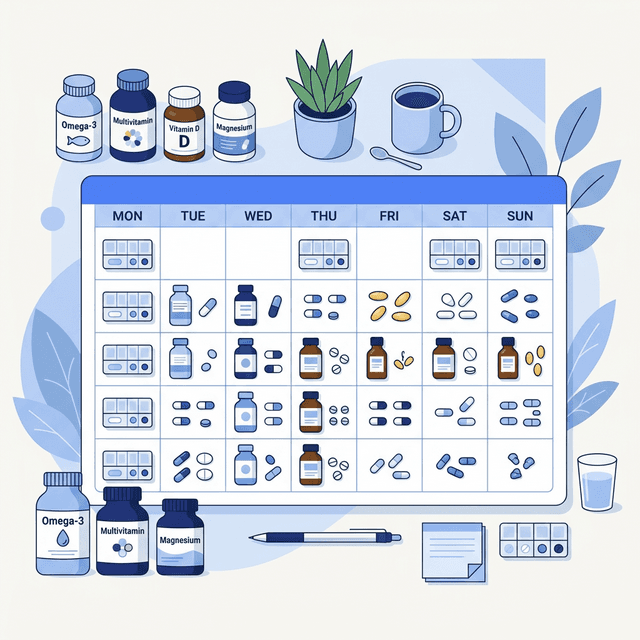
A great supplement is only as effective as the protocol behind it. If your customers don't know exactly when, how much, and how to take their products, they're leaving results on the table. Here's how to build a professional dosing schedule that keeps customers on track and coming back for more.
Step 1: Catalog Your Products with Precision
Start by listing every product you sell with its exact dosage per serving, recommended frequency, and any special instructions (take with food, avoid on empty stomach, etc.). Include details about form factor — capsules, powders, and liquids all have different absorption profiles. This product catalog becomes the foundation of every schedule you build.
Step 2: Group Supplements by Timing Windows
Organize your products into natural timing windows: morning (with breakfast), midday (with lunch), and evening (with dinner or before bed). Consider nutrient interactions when grouping — keep competing minerals separated and pair synergistic nutrients together. For example, vitamin D pairs well with K2 and a fatty meal, while calcium should be separated from iron by at least 4 hours.
Step 3: Add Clear Instructions for Each Dose
Don't just tell customers what to take — tell them how. Should they take it with water or juice? Before or after a meal? Are there foods to avoid within a certain window? The more specific you are, the fewer support tickets you'll receive and the better results your customers will get. Include notes about common side effects or adjustments during the first week.
Step 4: Personalize When Possible
Generic schedules are a starting point, but personalization is where the magic happens. Consider factors like age, gender, activity level, and health goals. A 30-year-old athlete training twice daily has very different supplement timing needs than a 60-year-old managing joint health. Even simple personalization — like adjusting dosage amounts or timing based on body weight — can make your customers feel genuinely cared for.
Step 5: Make It Accessible and Professional
A dosing schedule is only useful if customers can easily access and follow it. Ditch the PDFs and spreadsheets — customers lose them or never open them. Instead, use a clean, interactive format that customers can look up anytime by name. A branded, professional schedule elevates your brand perception and builds trust from day one.
Building great dosing schedules doesn't have to be complicated. With a clear product catalog, smart timing groups, and simple personalization, you can deliver an experience that sets your brand apart. Plandule automates this entire workflow so you can focus on growing your business.